Unlocking the Mysteries of Water Hardness: What You Need to Know

Water – it’s essential for life and daily living. But have you ever wondered why your water might taste different or leave deposits on your faucets and appliances? The answer lies in something called “water hardness.” In this article, we’ll delve into the mysteries of water hardness, explaining what it is, why it matters, and how to deal with it.
I. Introduction
Definition of Water Hardness
Water hardness refers to the concentration of minerals, primarily calcium and magnesium, dissolved in your water. These minerals can make water feel “hard” and cause various issues in your household.
Importance of Understanding Water Hardness
Understanding water hardness is crucial because it affects everything from the performance of your appliances to the health of your skin and hair. Let’s explore further.
II. Types of Water Hardness
Water hardness comes in two main types: temporary and permanent.
Temporary Water Hardness
Temporary hardness is caused by the presence of bicarbonate minerals, which can be removed by boiling the water.
Permanent Water Hardness
Permanent hardness is caused by sulfate and chloride minerals, which cannot be removed by boiling and require a different approach.
III. Measuring Water Hardness
To understand your water hardness, you’ll need to measure it. The most common units are Grains per Gallon (GPG) and Parts per Million (PPM). But what do these measurements mean?
IV. Causes of Water Hardness
Natural Sources
We’ll explore how minerals end up in your water from natural sources, like underground rock formations.
Human Activities
Human activities, such as industrial processes and pollution, can also contribute to water hardness. We’ll uncover how these factors play a role.
V. Effects of Hard Water
On Household Appliances
Discover how hard water can wreak havoc on your appliances, from dishwashers to water heaters.
On Skin and Hair
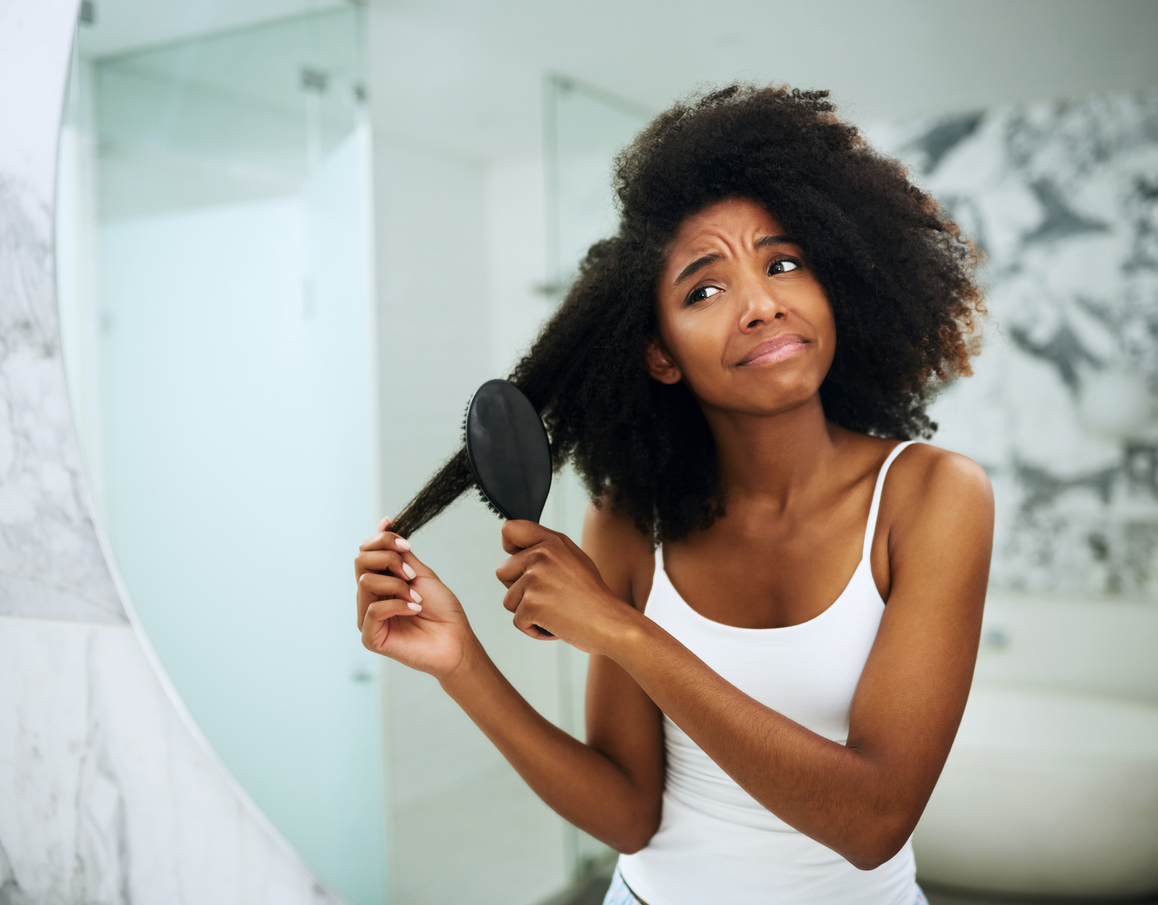
Learn how bathing in hard water can affect your skin and hair, leaving you with less-than-desirable results.
VI. Water Softening Solutions
When it comes to tackling water hardness, you have options. Water softeners are your best allies.
Water Softeners
Explore how these devices work to remove minerals from your water and why they are so effective.
Salt-Based vs. Salt-Free Softeners
We’ll break down the pros and cons of both types, helping you make the right choice for your home.
VII. DIY Water Softening Methods
For the DIY enthusiasts, there are some methods to reduce water hardness without professional equipment.
Using Vinegar
Learn how to use vinegar as a natural water softener and its limitations.
Boiling Water
Discover if boiling your water is a practical solution for temporary hardness.
VIII. Choosing the Right Water Softener
Not all water softeners are created equal. We’ll help you navigate the selection process.
Factors to Consider
Consider important factors like capacity, regeneration process, and maintenance requirements.
Size and Capacity
Find out why getting the right size softener matters for efficient operation.
IX. Maintaining Water Softeners
Your water softener needs care too. Maintenance is key to its longevity and effectiveness.
Cleaning and Regeneration
Learn how to clean and regenerate your softener to keep it running smoothly.
Replacing Resin Beds
Discover when and how to replace the resin bed, a critical component of your softener.
X. Benefits of Softened Water
Why go through all the trouble of softening your water? Let’s explore the numerous benefits.
Improved Appliance Lifespan
Find out how softened water can extend the life of your appliances.
Skin and Hair Benefits
Learn how your skin and hair can thank you for switching to soft water.
XI. Water Hardness in Different Regions
Water hardness can vary greatly by location. We’ll examine geographical variations and their causes.
XII. Environmental Impact of Softeners
While water softeners provide many benefits, they can also have environmental consequences. We’ll address concerns about salt discharge and eco-friendly options.
Conclusion
In conclusion, water hardness may be a mystery, but it’s one you can easily solve. Understanding the types, causes, and effects of water hardness, as well as the solutions available, will help you make informed decisions about your water quality.
Frequently Asked Questions (FAQs)
1. How do I test my water hardness?
Testing your water hardness is simple. You can purchase a water hardness test kit or contact your local water utility for information.
2. Is softened water safe to drink?
Yes, softened water is safe to drink, but some people prefer to have a separate tap for drinking water to avoid the slightly salty taste that can come from the softening process.
3. Can I install a water softener myself?
While it’s possible to install a water softener yourself, it’s often recommended to have a professional handle the installation to ensure it’s done correctly.
4. What is the cost of water softener maintenance?
Maintenance costs vary depending on the type and size of the softener. It typically includes the cost of salt or other regeneration materials and occasional servicing.
5. Are there eco-friendly water softening options?
Yes, there are eco-friendly water softeners that use alternative methods, such as template-assisted crystallization, to reduce the environmental impact of softening. These options are worth exploring for environmentally conscious consumers.
Now that you’ve unlocked the mysteries of water hardness, you’re better equipped to ensure the water in your home is just right for your needs. Whether it’s for cleaner dishes, softer skin, or longer-lasting appliances, understanding and managing water hardness is a step towards a better home and a more comfortable life.