The Benefits of Water Softeners: Improving Water Quality at Home
Have you ever noticed that your skin feels dry and itchy after a shower, or that your dishes have stubborn spots even after washing them? These issues may be due to the quality of the water in your home. Hard water, which contains an excess of minerals like calcium and magnesium, can wreak havoc on your daily life. Fortunately, there’s a simple solution: water softeners. In this article, we’ll explore the benefits of water softeners and how they can significantly improve the quality of water in your home.
Understanding Hard Water
Definition of Hard Water
Hard water is water that contains high concentrations of dissolved minerals, primarily calcium and magnesium. These minerals are picked up by the water as it flows through underground rock formations, which is why water hardness can vary from one location to another.
Common Signs of Hard Water
Identifying hard water is often straightforward. Look out for:
- Scale buildup on faucets and appliances
- Stiff and scratchy laundry
- Soap scum in the shower
- Reduced lathering of soap and shampoo
Why Hard Water is a Problem
Hard water can be a nuisance for several reasons. It can lead to the premature aging of appliances, increase energy bills, and make daily chores more challenging. The minerals in hard water react with soap, forming soap scum that leaves residue on your skin, hair, and dishes.
How Water Softeners Work
The Science Behind Water Softening
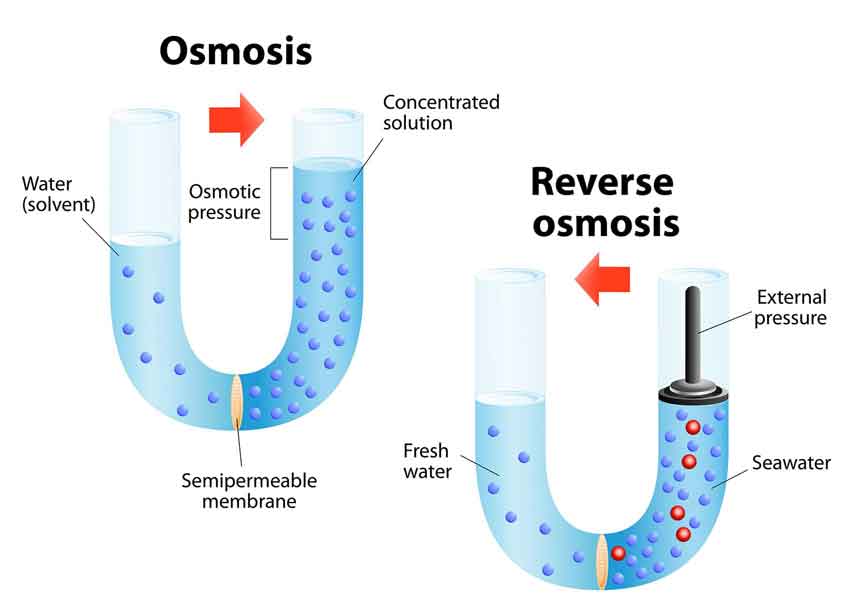
Water softeners use a process called ion exchange to remove calcium and magnesium ions from the water, replacing them with sodium or potassium ions. This transformation makes the water softer and more manageable.
Different Types of Water Softeners
There are various types of water softeners available, including salt-based, salt-free, and magnetic water softeners. Each has its advantages and disadvantages, depending on your needs and preferences.
Advantages of Using Water Softeners
Water softeners provide numerous benefits, such as:
Softer and Smoother Skin and Hair
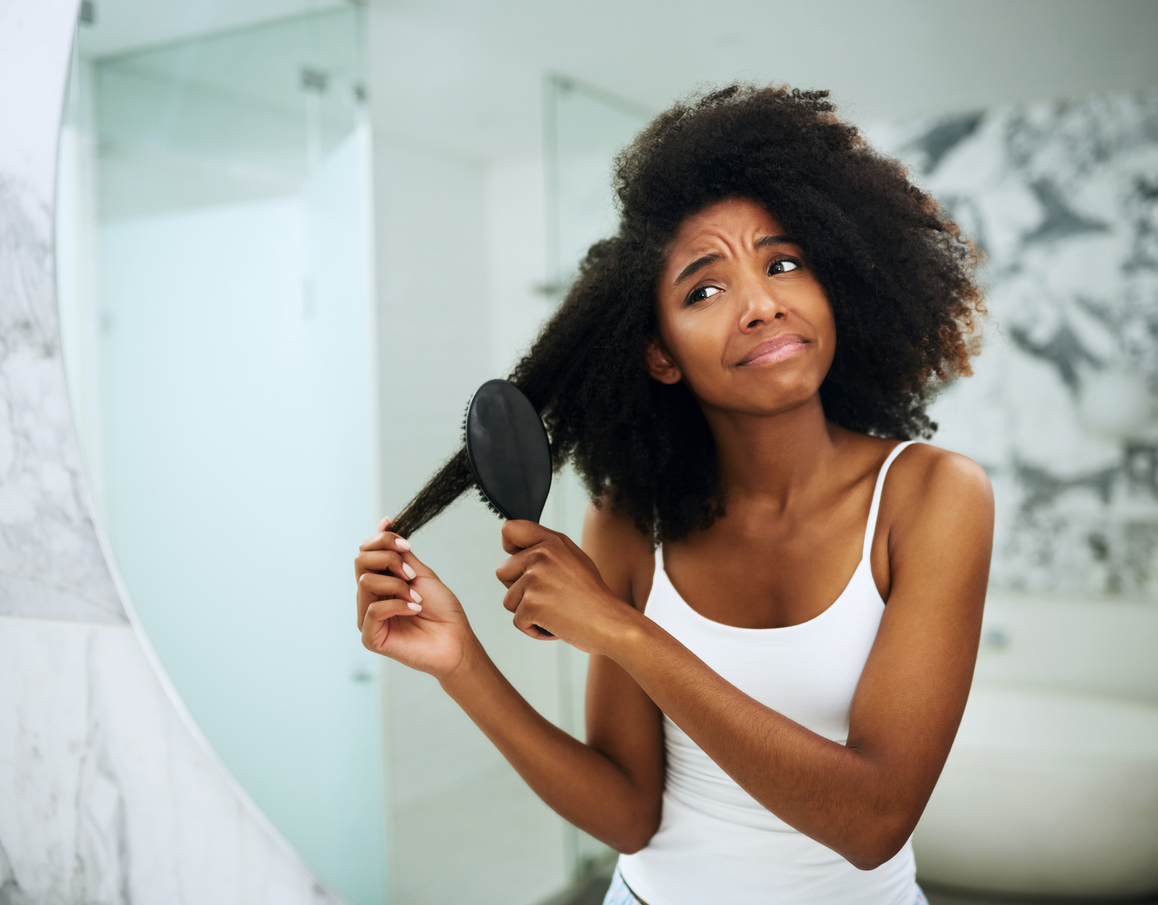
Soft water is gentle on your skin and hair. You’ll notice less dryness, irritation, and fewer hair-related issues, like split ends and breakage.
Extended Appliance Lifespan
Appliances like water heaters, dishwashers, and washing machines last longer and operate more efficiently in soft water, reducing maintenance and replacement costs.
Improved Laundry Results
Your clothes will feel softer, cleaner, and colors will stay vibrant longer with soft water. Plus, you’ll use less detergent, saving you money.
Reduced Energy Bills
Soft water heats more efficiently, lowering your energy bills. Less scale buildup in water-using appliances means they don’t have to work as hard.
Environmental Impact
Using soft water can reduce your environmental footprint by decreasing the need for harsh chemicals and energy-intensive appliance operation.
Choosing the Right Water Softener
Factors to Consider
When selecting a water softener, consider factors like your water hardness level, household size, and budget.
Sizing and Capacity
Ensure that the chosen water softener can handle your household’s water demands effectively.
Maintenance Requirements
Different types of water softeners have varying maintenance needs. Be prepared for routine tasks like adding salt or cleaning resin tanks.
Cost Considerations
While water softeners offer long-term savings, consider the initial purchase cost and operational expenses.
Installation and Maintenance
DIY vs. Professional Installation
Decide whether to install your water softener yourself or hire a professional. DIY installation can save money but may be challenging for some.
Routine Maintenance Tips
Learn how to maintain your water softener by following the manufacturer’s guidelines. Regular upkeep ensures peak performance.
Troubleshooting Common Issues
Familiarize yourself with common water softener issues and how to address them. This knowledge can save you time and money on repairs.
Water Softener Myths Debunked
Separating Fact from Fiction
There are many myths and misconceptions about water softeners. We’ll debunk some common ones to provide clarity.
Health Considerations
Is Softened Water Safe to Drink?
Many people wonder if it’s safe to consume softened water. We’ll explore the safety aspects and alternatives for drinking water.
Health Benefits and Concerns
Softened water can have health benefits, but it’s essential to understand potential concerns and address them appropriately.
Alternatives for Drinking Water
If you have reservations about drinking softened water, consider alternative water sources or treatment methods.
Customer Reviews and Testimonials
Real-Life Experiences
Read about the experiences of homeowners who have installed water softeners and the positive impact on their daily lives.
Success Stories
Discover how water softeners have resolved common household issues and improved overall water quality.
Conclusion
In conclusion, the benefits of water softeners extend far beyond improving the quality of your water. They enhance your overall quality of life, making daily tasks more manageable and cost-effective. So, if you’ve been struggling with hard water issues, it might be time to consider investing in a water softener. Your skin, hair, appliances, and wallet will thank you.
FAQs
Can a water softener eliminate all water hardness?
Water softeners can significantly reduce water hardness, but they may not eliminate it entirely. The level of hardness reduction depends on the type and efficiency of the water softener.
Do water softeners require electricity?
Most traditional salt-based water softeners require electricity to operate. However, salt-free water softeners and some newer models are electricity-free alternatives.
How often should I add salt to my water softener?
The frequency of adding salt to your water softener depends on your